|
*** *** *** *** *** *** *** *** ***
THROUGH CYPRUS *** *** *** *** *** *** *** *** *** [Kyrenia] [Famagusta] [Nicosia] [Lefke] [Limassol] [Paphos] [Larnaca]
NICOSIA / LEFKOSIA / LEFKOSA
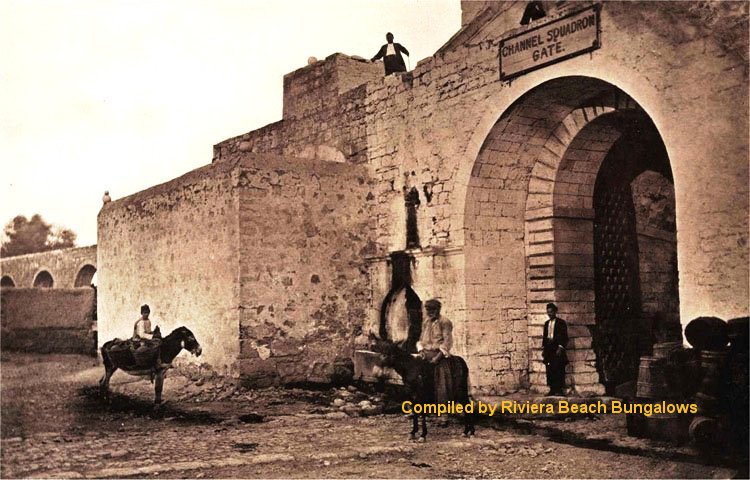
CHANNEL SQUADRON GATE, NICOSIA Nicosia (Lefkosia / Lefkoşa), the capital of
Cyprus, stands in the centre of the island, on the Plain of Mesorea,
four hundred feet above the sea. It is connected with Larnaca by a
carriage-road, which has recently been repaired and rendered
available for an omnibus that plies daily between the fort and the
capital. This road runs direct to the Channel Squadron Gate (so
named by British blue-jackets when they took possession). *** *** *** *** *** *** *** *** ***
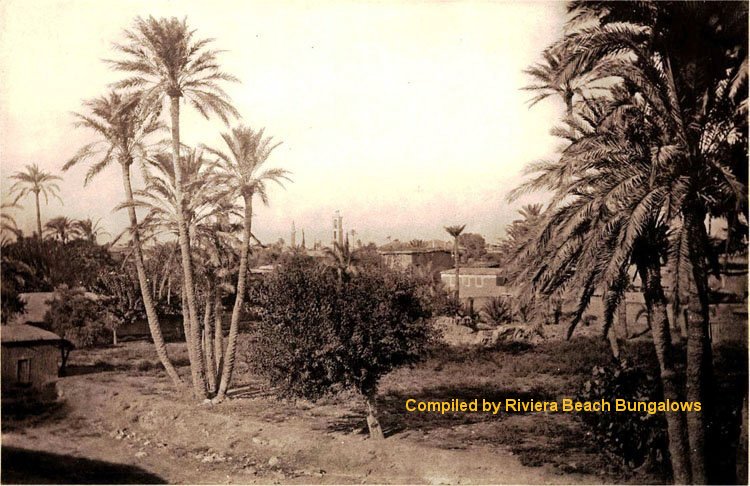
NICOSIA, FROM THE CITY WALL Nicosia may be seen to greatest advantage from the summit of its wall. In the distance rises a forest of tapering minarets, that contrast well with graceful palms, and with the undulating lines of foliage that mark the sites of the gardens of the metropolis. The atmosphere, obscured by a heat haze, imparts a soft, but indescribable, charm to the distant objects in the landscape. The square, flat-roofed houses, with their small windows and narrow, walled-in spaces, are suggestive of a strongly conservative population, where each family had determined to dwell alone, cut off from the outer world, These purely Eastern fortified dwellings afford a semblance of security against invasion, but sadly remind us of the despotic rule under which the people have struggled for centuries. They arc for the most part built out of the soil on which they stand, and in this respect resemble huge ant-hills, under which the inhabitants were fain to burrow, unseen by their taskmasters, the Turks. *** *** *** *** *** *** *** *** ***
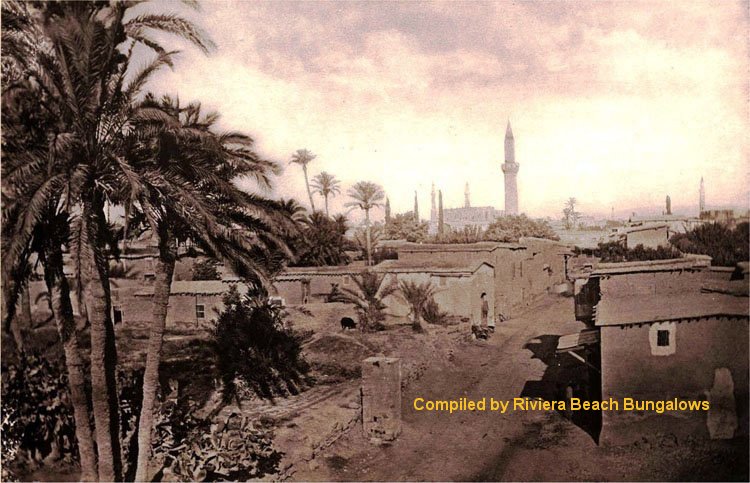
NICOSIA, FROM THE CITY WALL The minarets of the mosques and the belfries of
the Greek churches tower conspicuously over every town in Cyprus,
while the earth-built dwellings of the people are hidden away among
masses of friendly foliage. These heavenward-pointing spires of a
crushed and heavy-laden race vie with Nature in adorning the scene.
Happily, Nature in this island is not only beautifying, but
bountiful, and she yields a handsome return for invested labour or
capital. While the gifts of the faithful and the votive offerings of
the poor are not neglected, there is no other quarter of the island
where one meets with such skilful tillage as is bestowed on lands
belonging to the churches and mosques. The photograph affords a most
attractive glimpse of the capital, which here appears to be a
perfect garden of cultivation. The picture faithfully represents a
portion of the outskirts of the town, but many quarters are to be
found in which desolation reigns supreme. *** *** *** *** *** *** *** *** ***
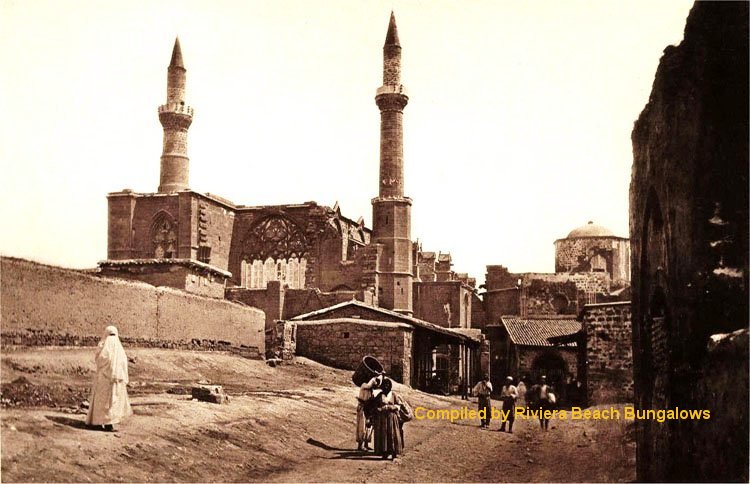
ST. SOPHIA, NICOSIA The cathedral of St. Sophia, now used as a mosque
(Selimiye Mosque), is a noble edifice, which carries one back to the
period of the Lusignan princes, whose mutilated monuments may be
seen within its walls. The lofty, pillared interior is approached
through three arched portals, richly sculptured and pointed. These
portals have escaped the rough usage which has wrecked other parts
of the building, and (as may be gathered from the photograph) the
finely-sculptured windows have also been preserved. But as for the
splendid interior, it has lost its rich decorations; and its carved
work and pillars are now daubed with gaudy- coloured paint, or with
a whitewash which possibly typifies the purity of the faith of the
Prophet. *** *** *** *** *** *** *** *** ***
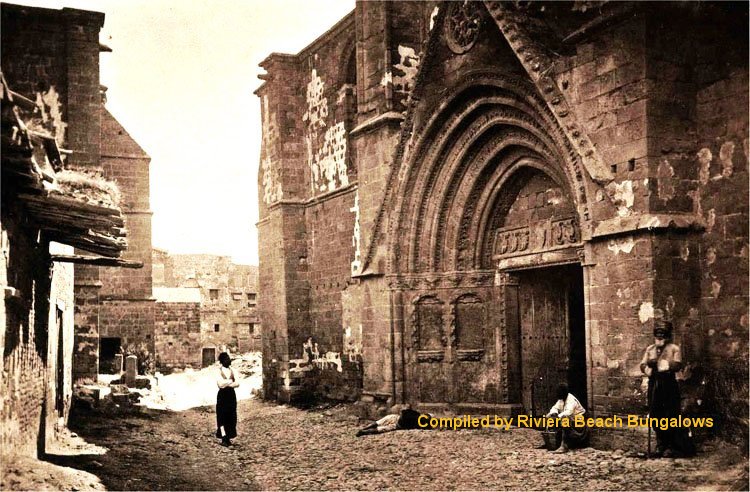
ST. NICHOLAS, NICOSIA Hard by the Cathedral of St. Sophia stands a
church once dedicated to St. Nicholas (also know as Bedesten
nowadays) but now used as a granary, whose richly-sculptured portal,
the subject of this photograph, is one of the finest examples of its
kind to be found in Cyprus. Nicosia, when at the height of its
prosperity in the fourteenth century, boasted no less than two
hundred and fifty chapels and churches; but the work of demolition
has since been so successfully pursued, that only two or three
edifices now remain to testify to the wealth once lavished on their
building and decoration. *** *** *** *** *** *** *** *** ***
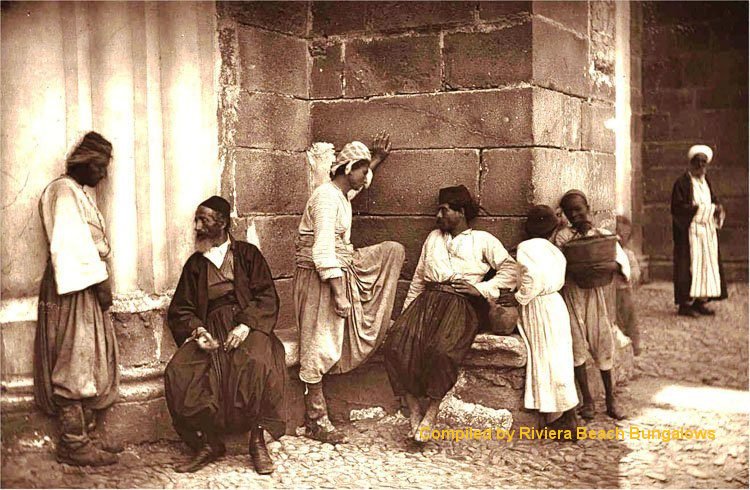
NATIVE GROUP, NICOSIA The accompanying group was taken in front of the
ancient Cathedral (now a mosque) of St. Sophia. A friendly-disposed
crowd of spectators had gathered round the mosque to witness the
process of photographing the exterior of the building, and while
pious moslems held themselves aloof, a large number of native Greeks
volunteered to sit for their portraits; those selected were deemed
fair specimens of the inhabitants of Nicosia. *** *** *** *** *** *** *** *** ***
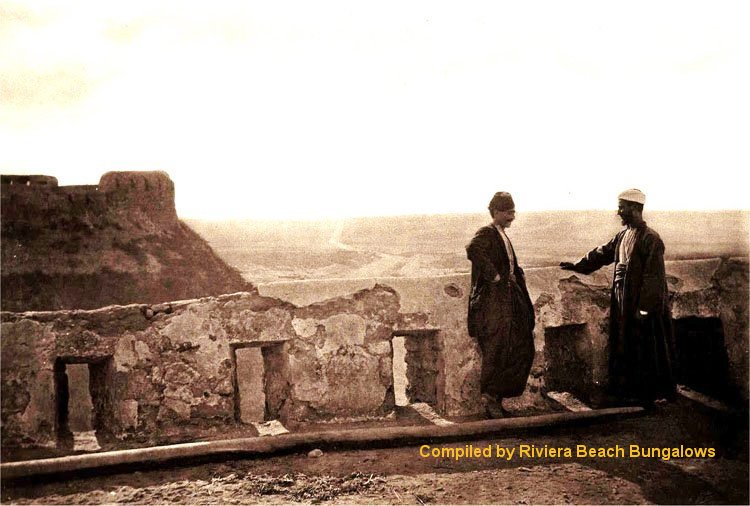
ON THE RAMPARTS, NICOSIA It is doubtful whether the ramparts here depicted
formed originally a part of the substantial fortifications
constructed by the Venetians in olden days, and still surrounding
the town. The pierced wall looks flimsy, and its weakness and
insufficiency have evidently been at one time concealed beneath a
coating of plaster. For all that, the multitude of empty, harmless
embrasures presents a formidable front, when we view it from the
plain. *** *** *** *** *** *** *** *** ***
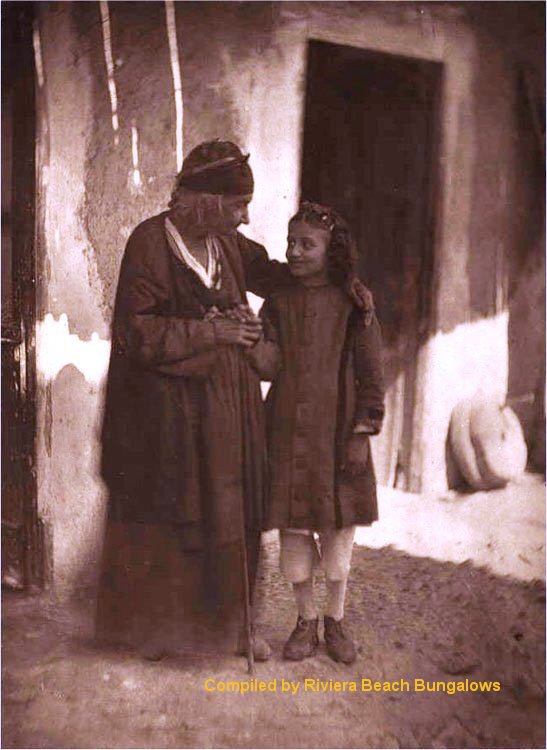
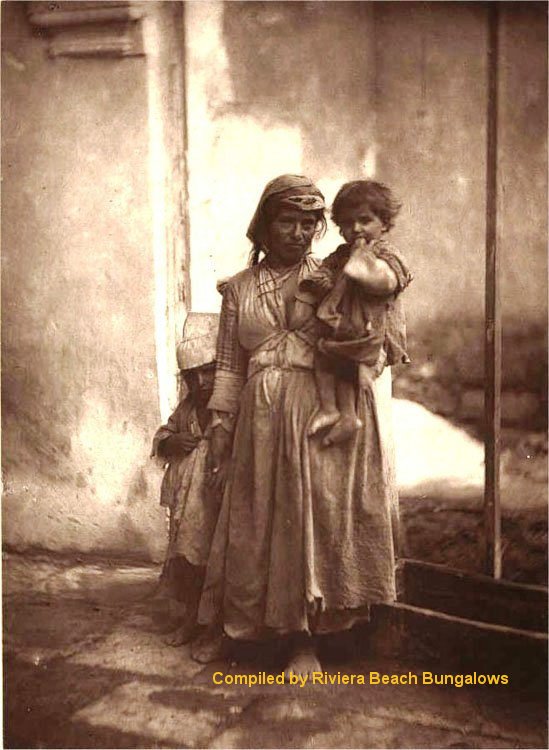
AN AGED CYPRIOTE Any attempt to photograph the
fleeting expression of sentiment in the human face is almost certain
to fail; nevertheless, a chance shot with the camera secured for us
the accompanying pleasing picture—one which conveys something of the
feelings that crossed the mind of the aged dame as she caressed the
pretty little Greek girl who stands by her side. The old lady is
hale and hearty in spite of her years, and, like many other natives
to be found in the island, might be still considered a fair risk by
a life insurance office. *** *** *** *** *** *** *** *** ***
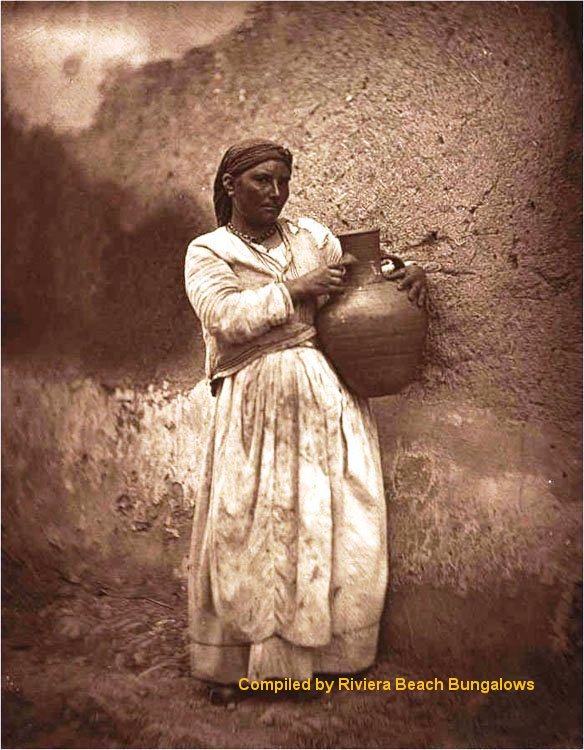
The illustration represents a female water-carrier, bearing one of the terra-cotta jars which are made at the potteries of Varosia, Famagusta (also known as Maraş / Gazi Mağusa), and which bear a close resemblance to some of the ware found in the ancient tombs of the island. *** *** *** *** *** *** *** *** ***
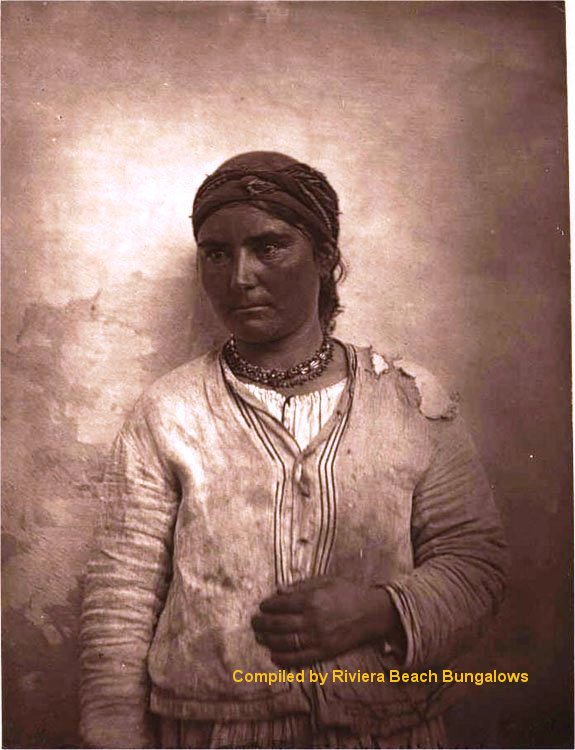
A WOMAN ON LABOURING CLASS This is a typical woman of the lower
orders in Cyprus; one who to a powerful physique, well-formed
features, and dark eyes, adds an expression of unflinching
resolution. It was some little time before she could be persuaded
that neither sorcery nor witchcraft were practiced in the mysterious
operations of photography; but, at last, the desire to see her
likeness overcame her scruples, and she faced the camera with
statuesque immobility. *** *** *** *** *** *** *** *** ***
BEGGARS Mendicity is not an art practiced to
any great extent in Cyprus, and “backsheesh” is a Word as yet
happily unknown among the islanders. There are, however, a few
lepers near Nicosia, who live partly by begging and partly on the
bounty of the Greek clergy. These lepers find a shelter in the
tombs, and are cut off from all intercourse with their families and
with the world. But a healthy mendicant is so rare a sight in the
towns that it was only by an accident that I fell in with this type
of her class. [Kyrenia] [Famagusta] [Nicosia] [Lefke] [Limassol] [Paphos] [Larnaca]
|